Kumamoto’s Mini Panama Canal: Meet Goats and Camp for Free at 中無田閘門プレイパーク, Minami-ku
2026.04.26
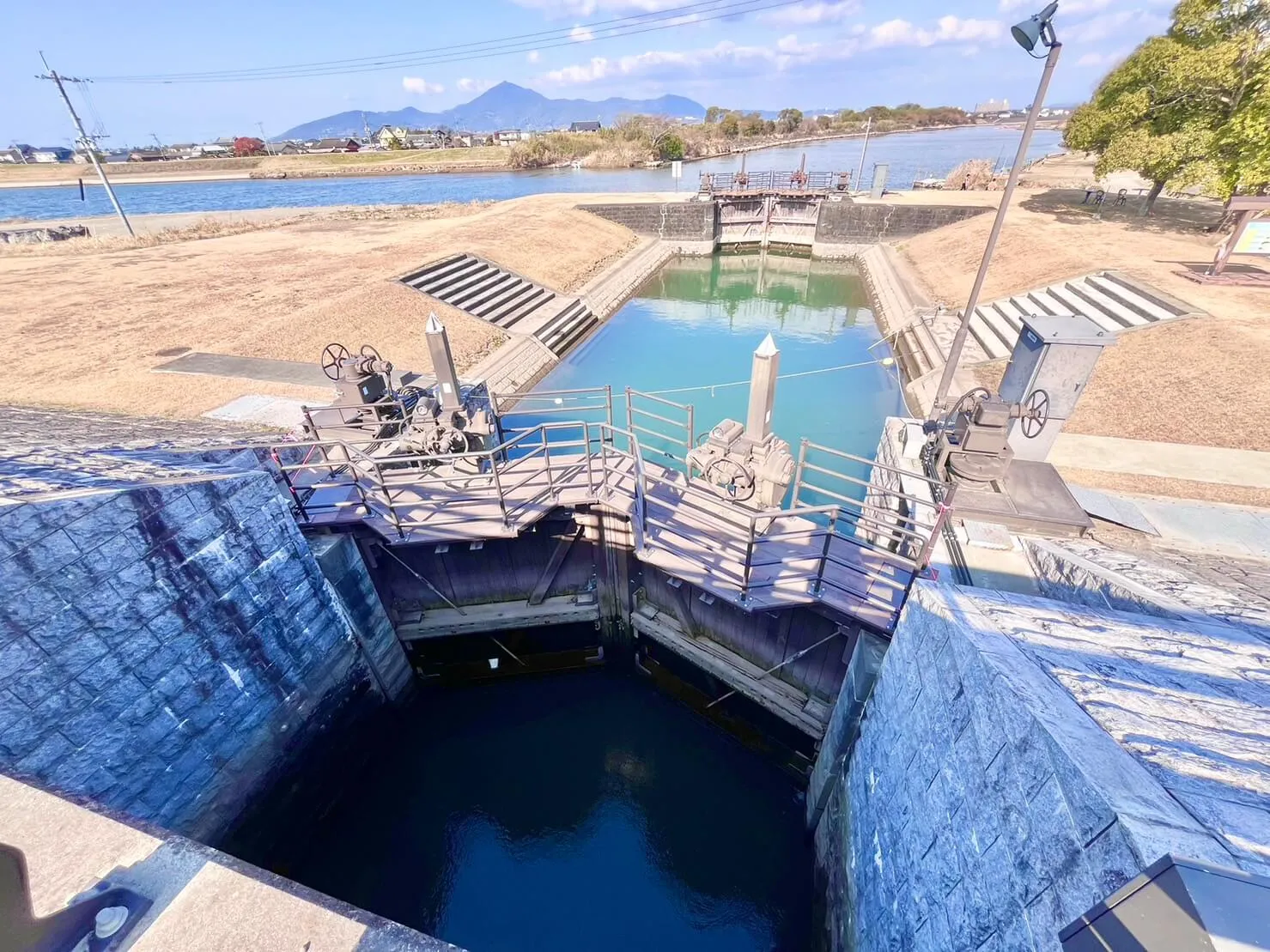
SaruKuma writer Aikero pays a firsthand visit to 中無田閘門プレイパーク (Nakanoda Komon Play Park) in Minami-ku, Kumamoto City. Includes family-friendly highlights, directions, free camping details, and tips for visiting with children.
Getting There — A Scenic Drive Along the Kase River
Hi there! I’m Aikero, a writer for SaruKuma — Kumamoto’s go-to guide for family-friendly outings. Today I’m taking you to 中無田閘門プレイパーク (Nakanoda Komon Play Park), a hidden gem tucked along the banks of the Kase River in the Nakanoda district of Minami-ku, Kumamoto City.
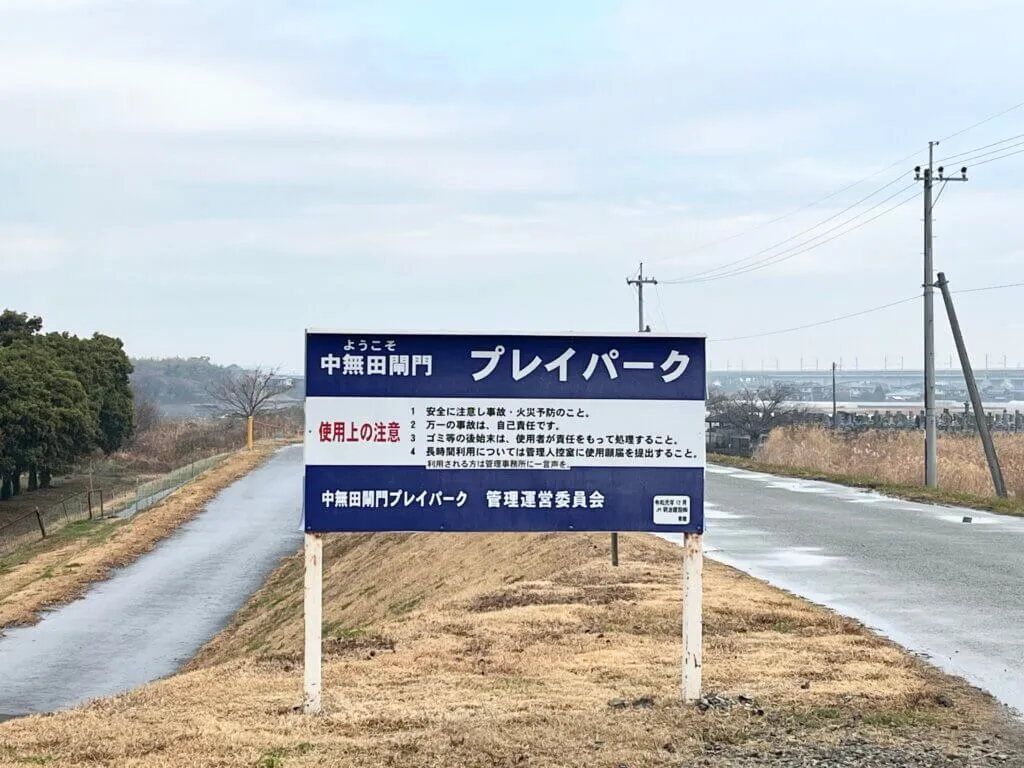
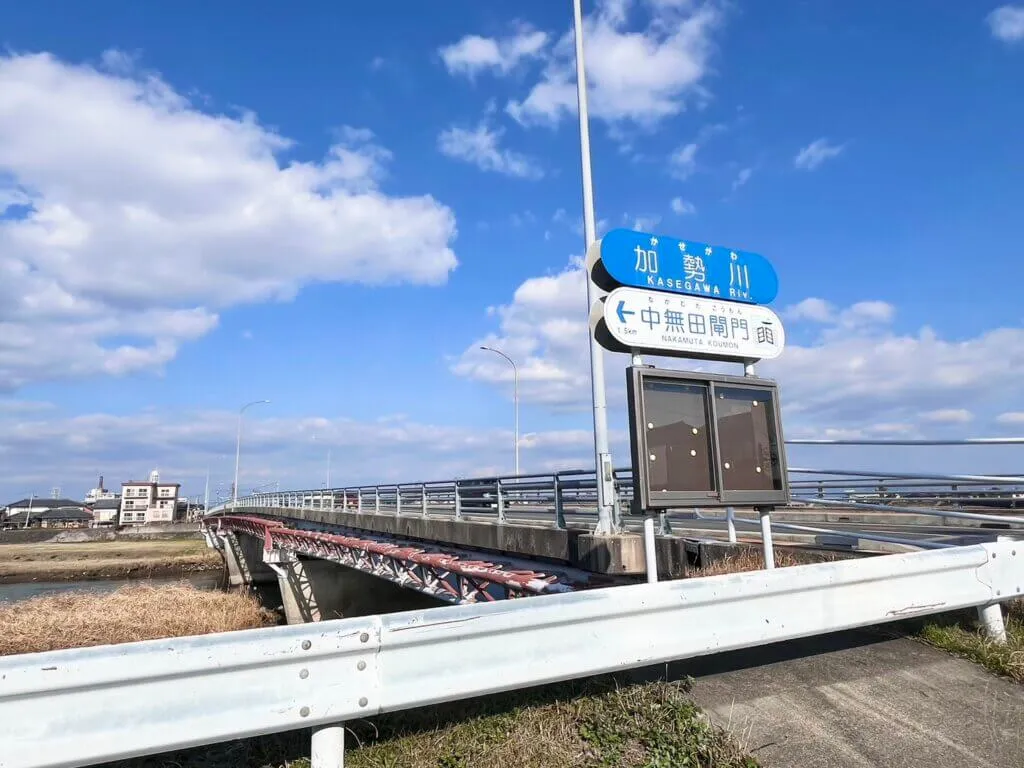 Turn off National Route 3 onto the Kawashiri City Road and you’ll spot this signboard at the bridge over the Kase River. This photo was taken from the Uto direction, but the sign is clearly visible from the Kawashiri Station side too — easy to find from either approach.
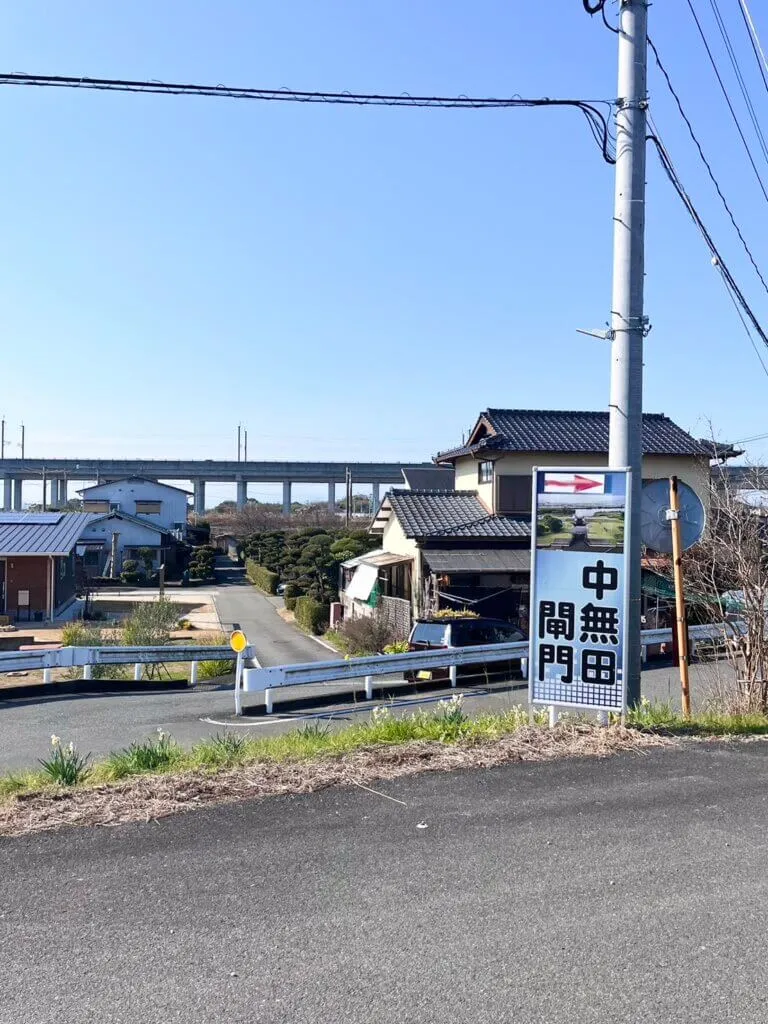 Where the road forks, a large sign points you in the right direction — just follow it and you can’t go wrong.
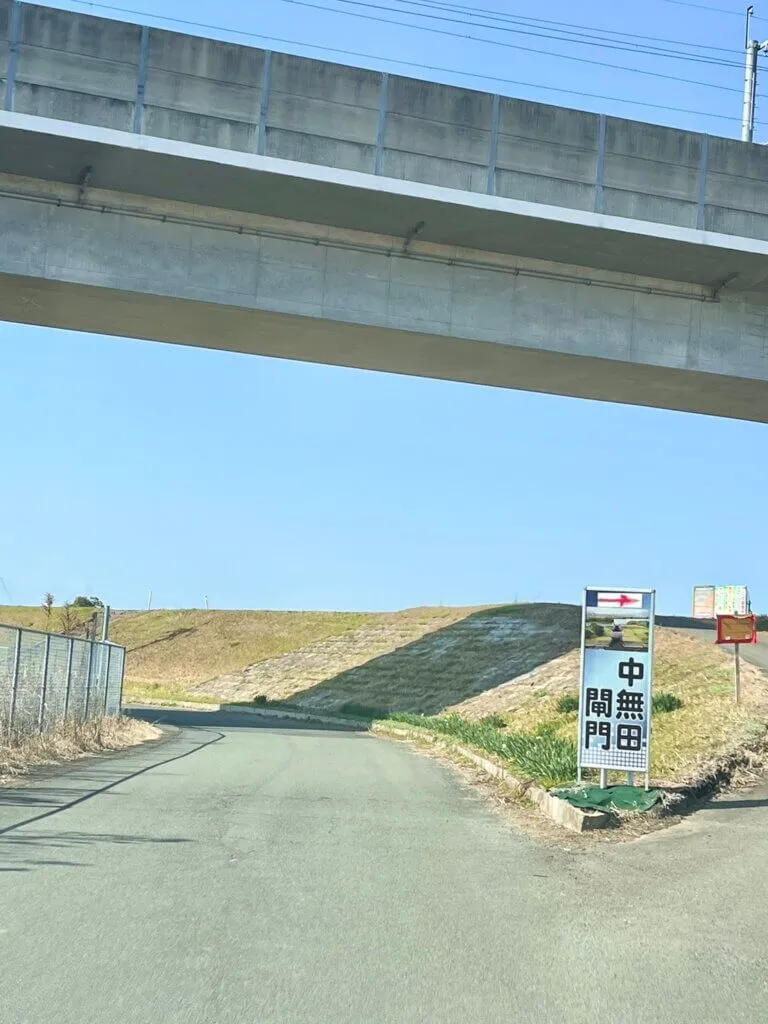 From here it becomes a single road running alongside the riverbank. Traffic is light, making for a calm and genuinely scenic drive.
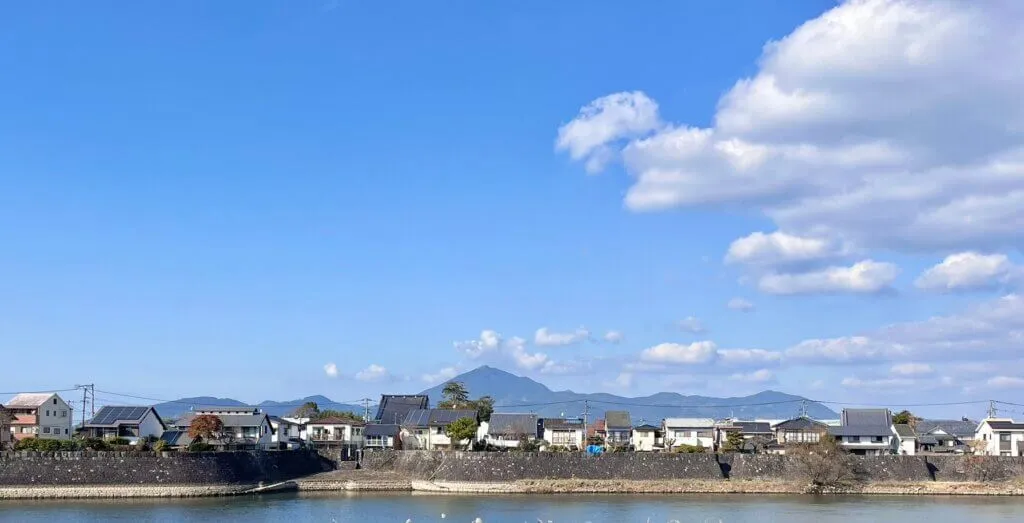 On the way, you’ll glimpse the historic Kawashiri boat landing across the water. This riverside town has deep historical roots and is well worth a visit on its own — add it to your itinerary if you have time.
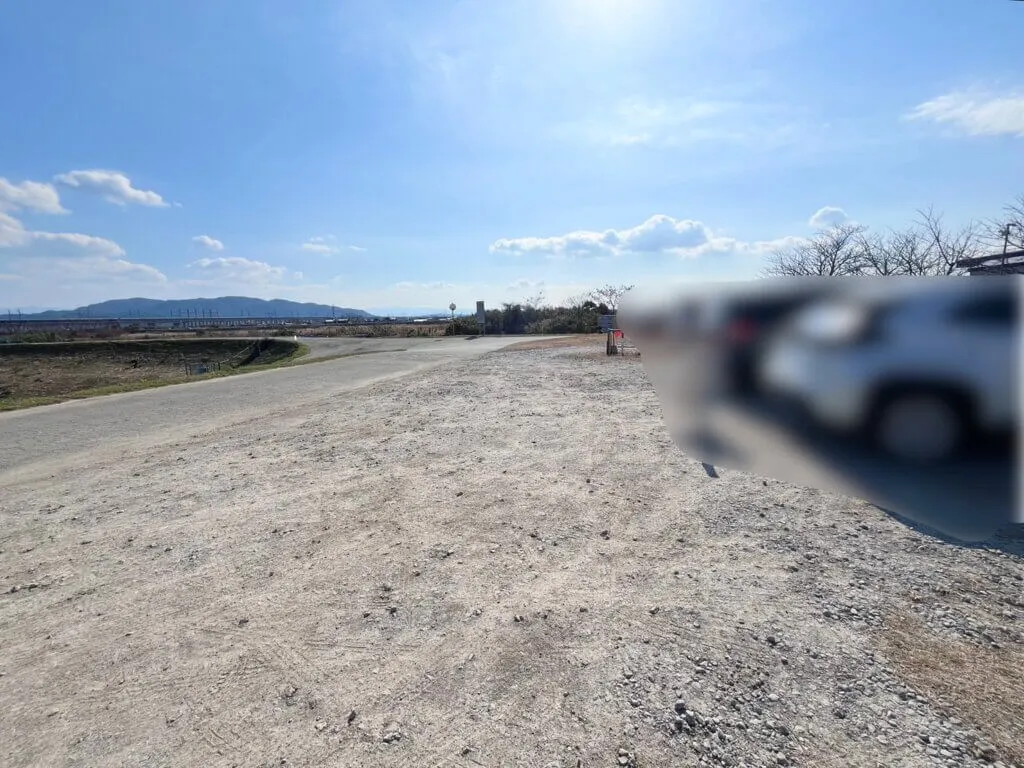 And here’s the parking area! It’s spacious and easy to navigate — no stress, even with a carload of children and camping gear.
 The park runs right along the river. The scenery is beautiful, but please keep a close eye on young children near the water at all times.
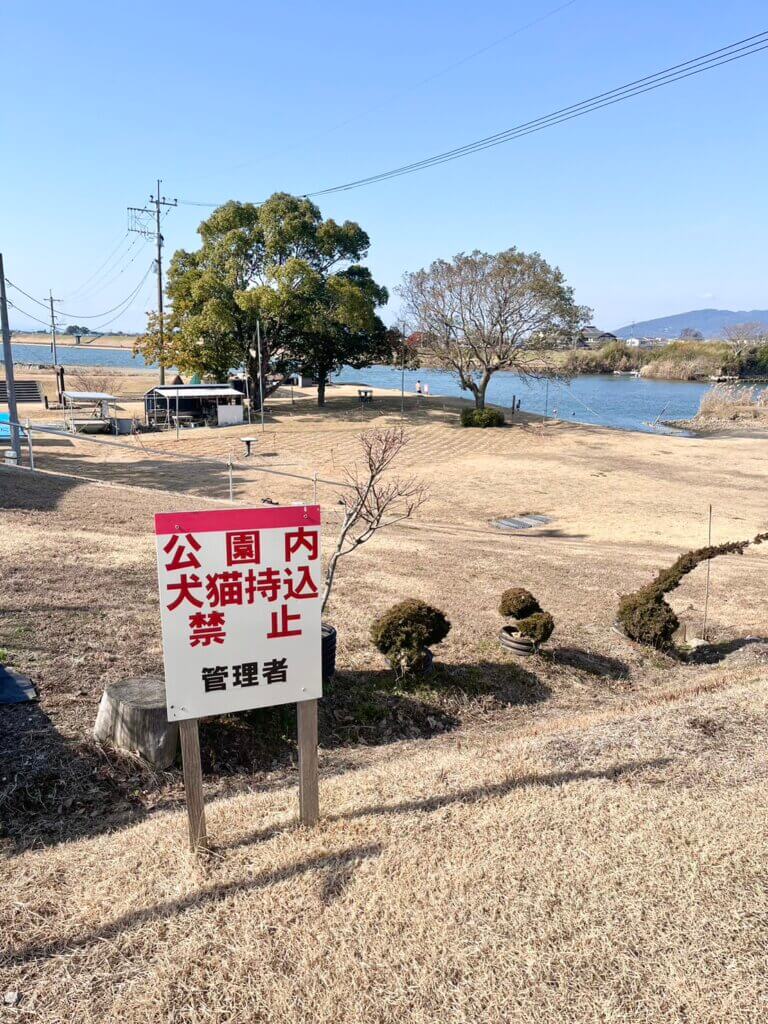 Please note: dogs and cats are not permitted inside the play park area.
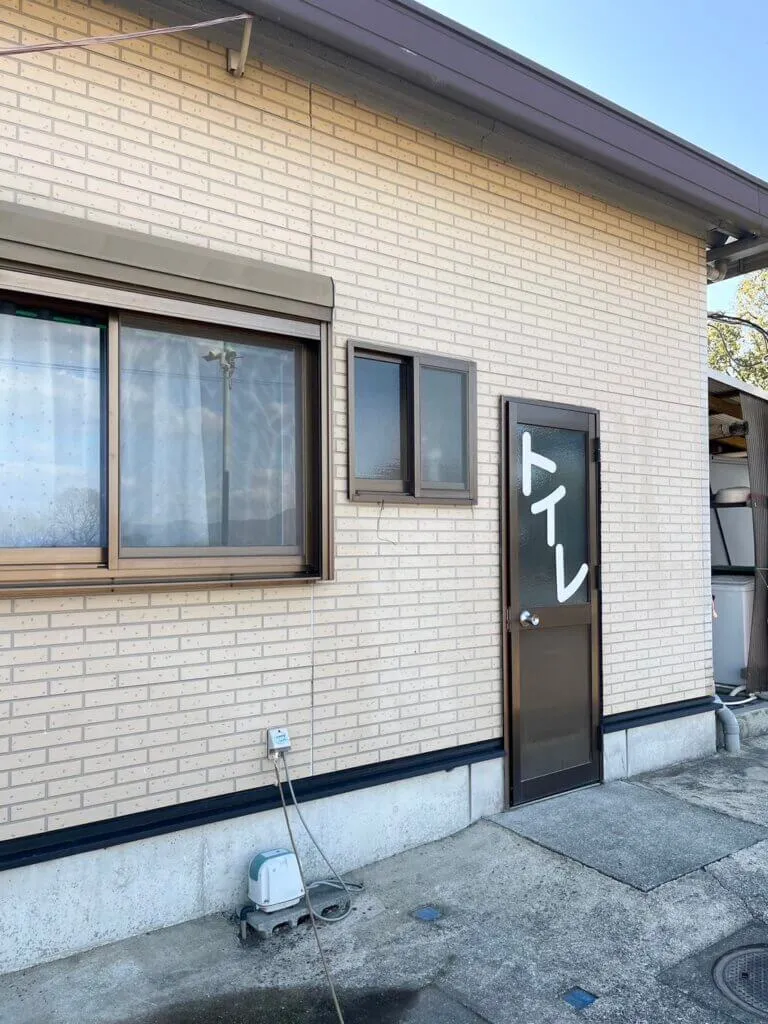 Toilets are available inside the office building. Staff are on-site, so don’t hesitate to ask if you need help.
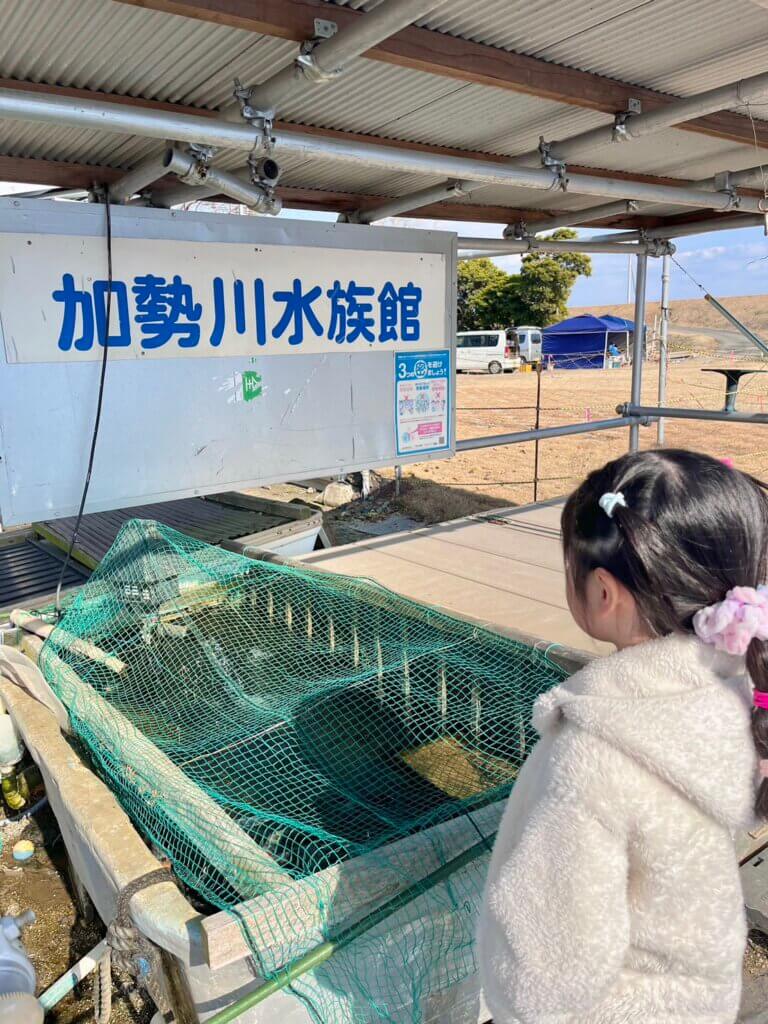 The on-site “Kase River Aquarium” (Kasegawa Suizokukan) has goldfish swimming inside — a simple but surprisingly charming display that younger visitors love to peer into.
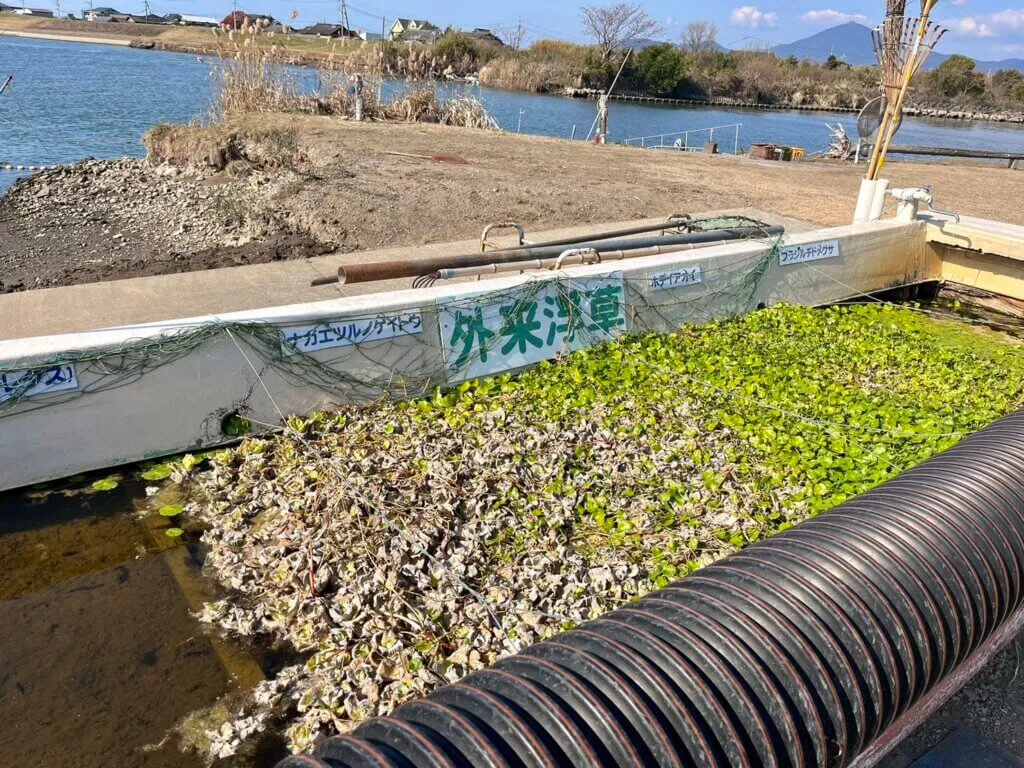 There’s also an educational display of invasive floating plant species found in local waterways — I had no idea so many varieties existed until I saw this exhibit.
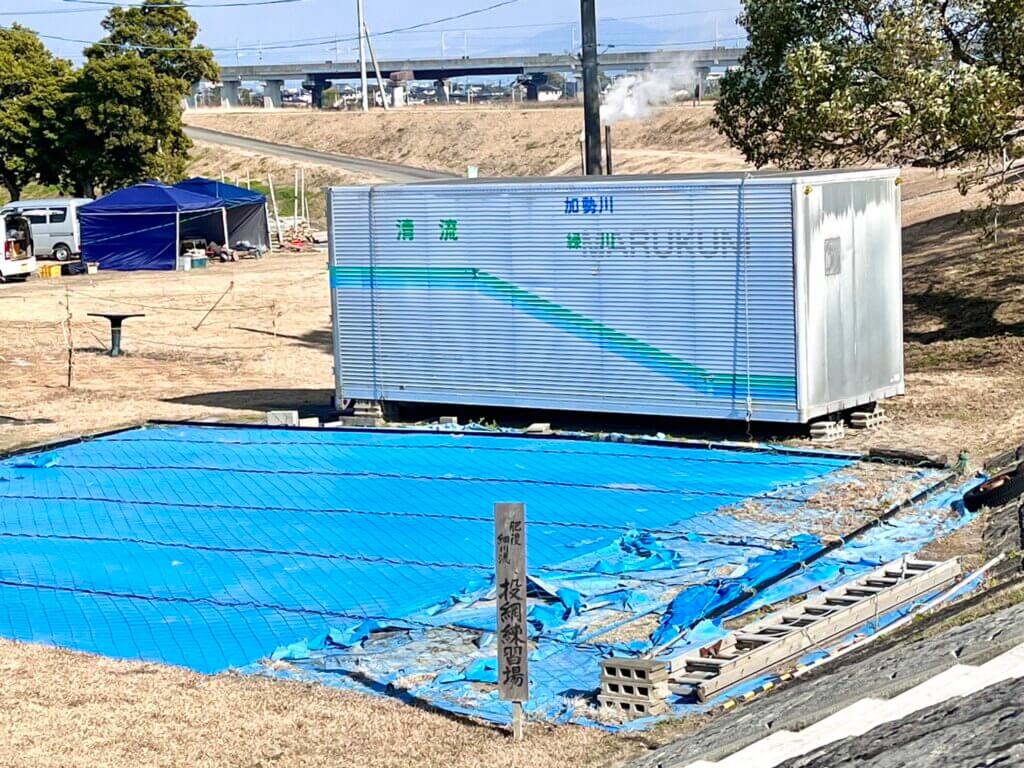 Near the lock gate is a practice area for toami (投網) — traditional Japanese cast-net fishing, in which a large circular net is thrown by hand to catch fish in shallow water. When we visited, children were out here learning the technique, keeping alive a skill passed down through generations of Japanese river communities.
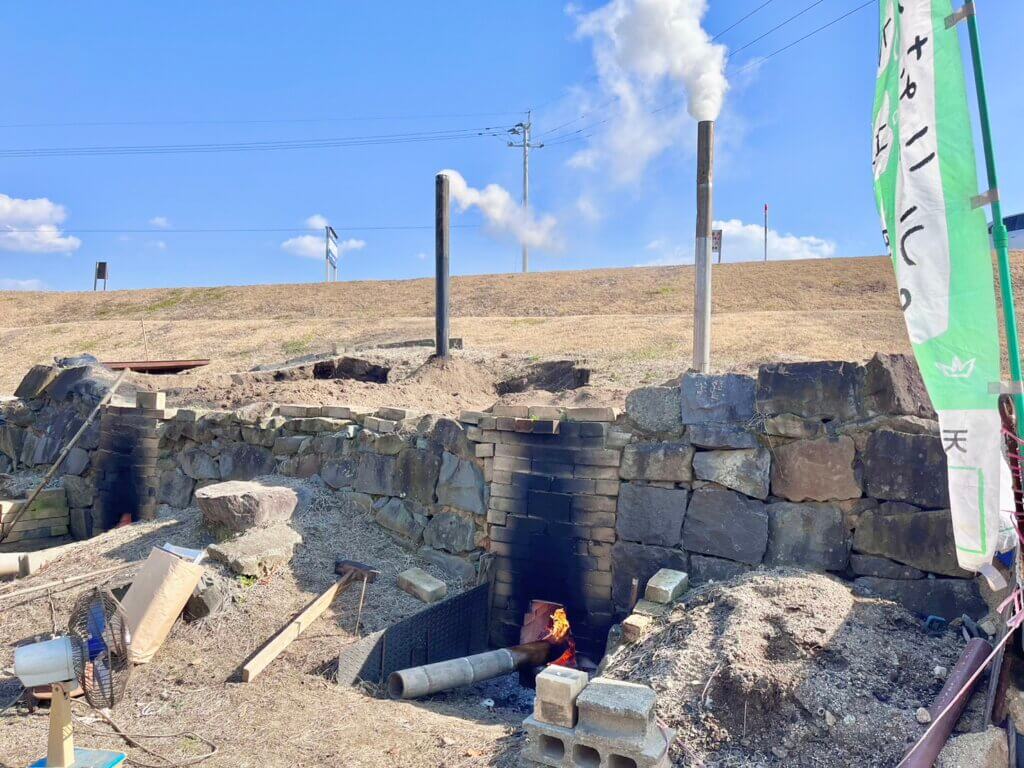 On the day of our visit, volunteers were making takezumi (竹炭) — bamboo charcoal. Once prepared, the charcoal is placed into local irrigation channels where it naturally purifies the water. It’s a beautiful example of traditional environmental stewardship still practiced here today.
 Watching the whole process unfold connects visitors in a tangible way to the living ecology of the Kase River — a rare, hands-on glimpse at how this community actively cares for its waterways.
Kumamoto’s Mini Panama Canal — Inside the Historic Lock Gate
You might be wondering: what exactly is a komon (閘門), and why does it have its own park? Here’s a quick history lesson that makes everything click.
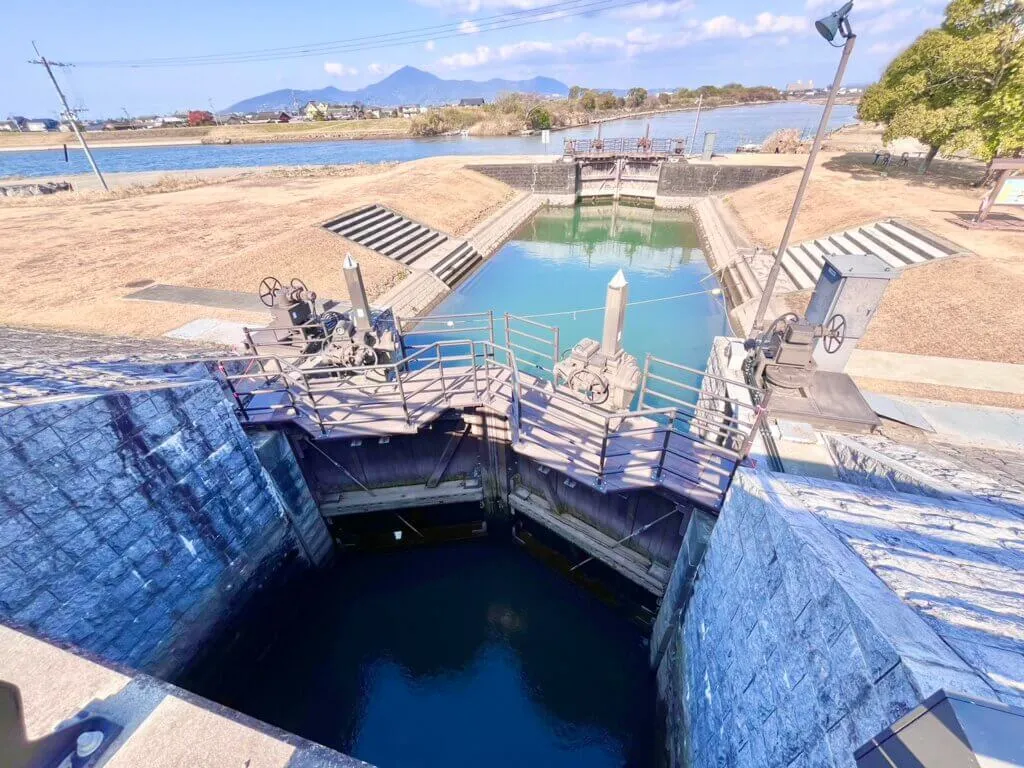
Back when this gate was first built, cars were barely in existence. Boats on the river played the role that trucks play today, hauling goods to and from the port town of Kawashiri. Those ships needed to travel between two rivers: the Kase River (Kasegawa) and the Midori River (Midorikawa). The challenge? These two rivers sit at different water levels, making direct passage impossible without some serious engineering.
The solution was the 中無田閘門: a lock gate that traps a vessel inside a sealed water chamber, raises or lowers the water level to match the destination river, then releases the boat on the other side — the exact same principle as the Panama Canal. Remarkably, this is the only wooden lock gate in Japan still capable of linking two separate rivers. No wonder locals have nicknamed it “Kumamoto’s Mini Panama Canal.”
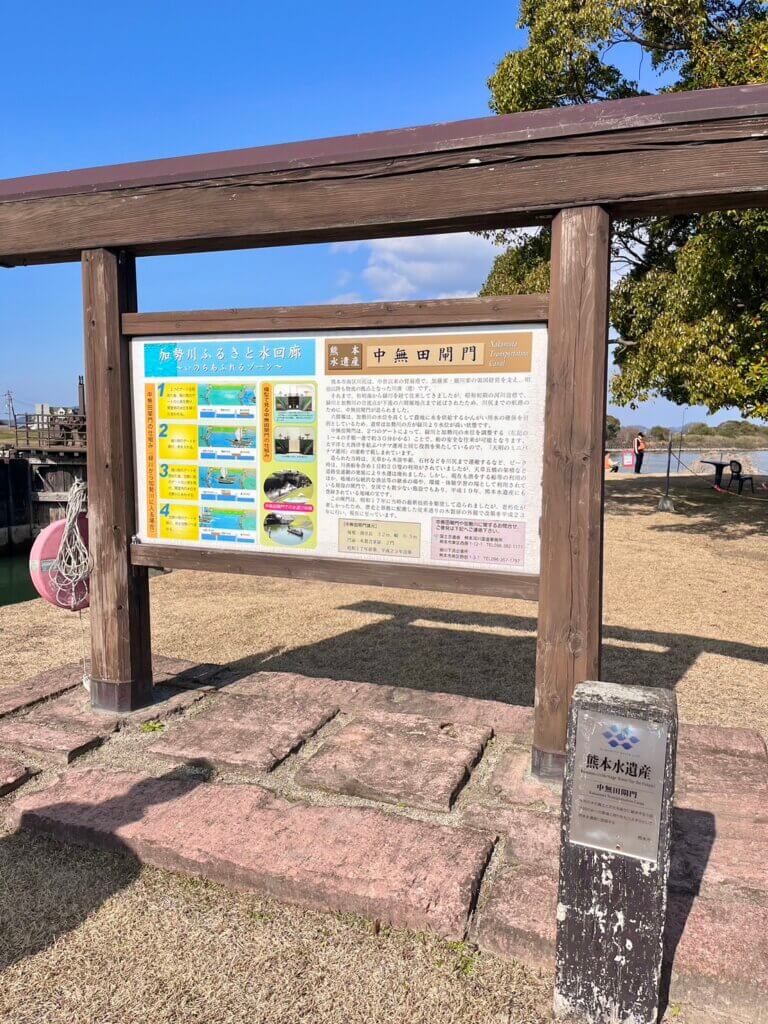 Right next to the gate is an illustrated explanatory board that tells the full story with diagrams — take a moment to read it when you visit. Honestly, before coming here I had no idea what a komon was, and the pictures made it all suddenly make sense!
Goats, Free Camping & Seasonal Riverside Festivals
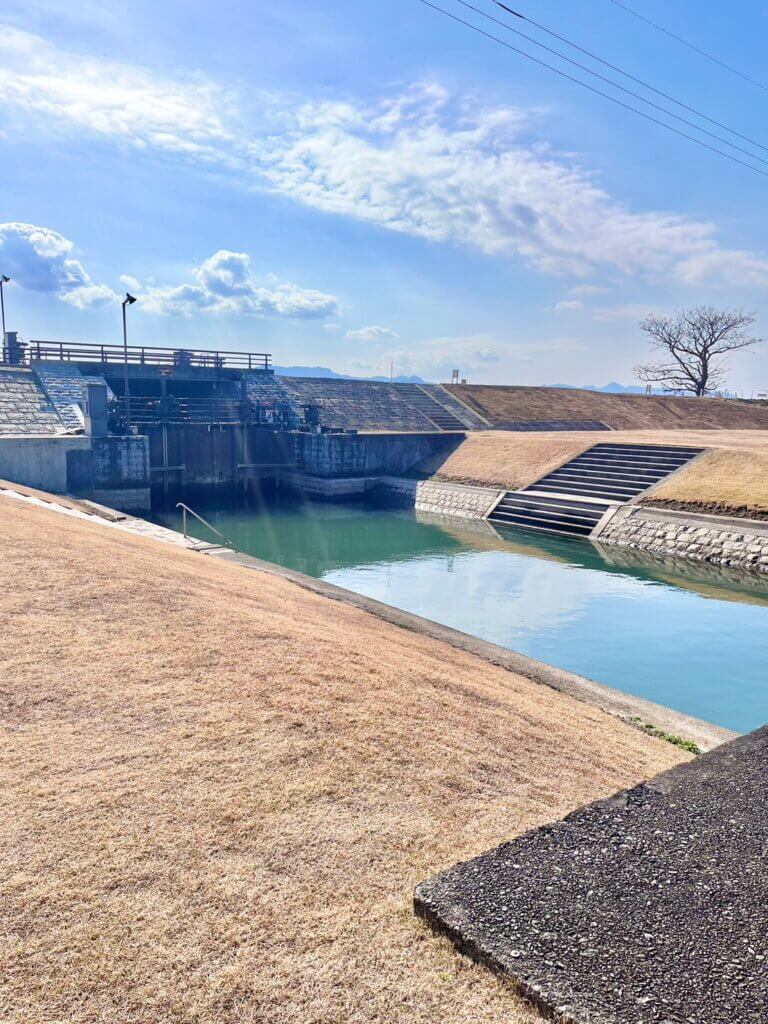 If you assumed this park was purely about gazing at a historic gate, prepare to be pleasantly surprised. There’s plenty to keep the whole family — and plenty of curious adults — entertained for an entire day.
Twice a year — on May 5th (Children’s Day, a national public holiday in Japan) and August 11th (Mountain Day) — the park hosts family events with canoeing and fishing for parents and children together. Locals told us around 100 people show up each time, turning it into a genuinely lively community celebration. If your travel dates align, it’s absolutely worth planning around.
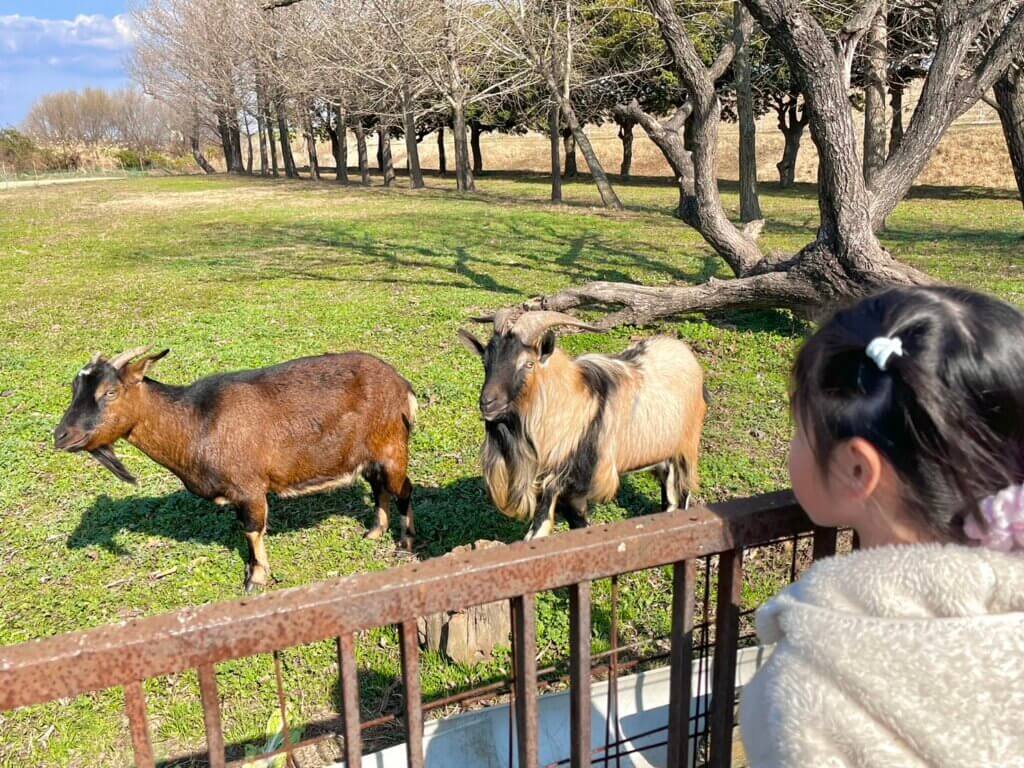 And then there are the goats — two of them live right here at the park. They don’t have official names, but my daughter immediately gave them her own. These friendly animals are one of the most wonderfully unexpected surprises you’ll find at 中無田閘門プレイパーク.
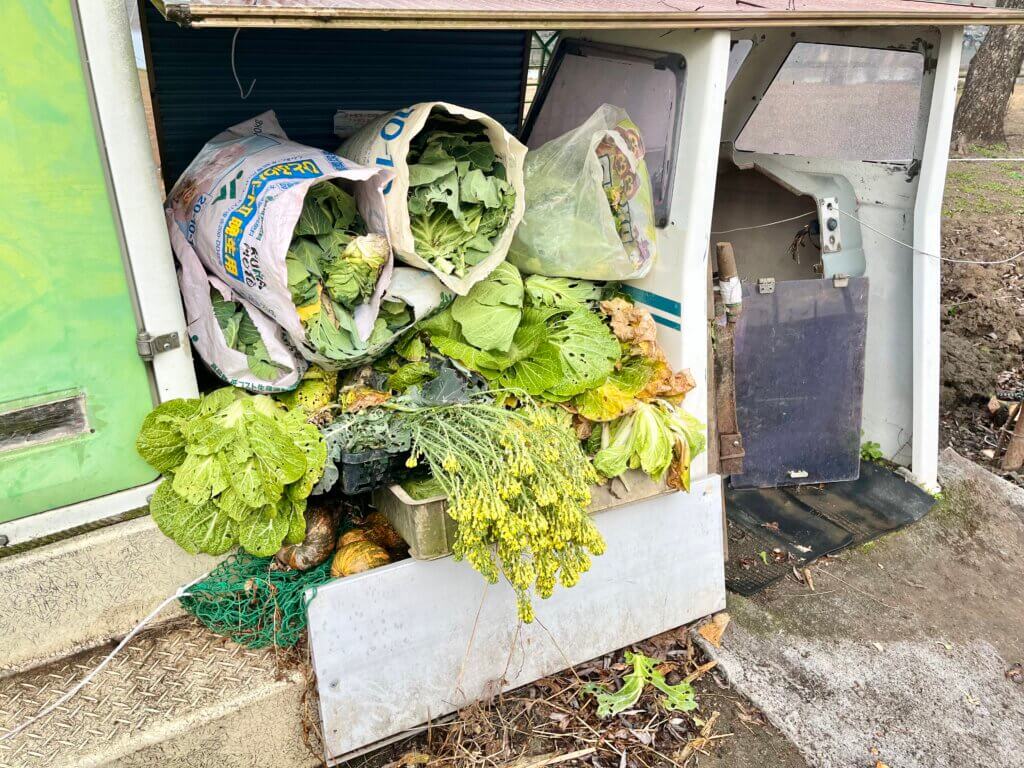 Goat food is available nearby, so you can get up close and feed them by hand.
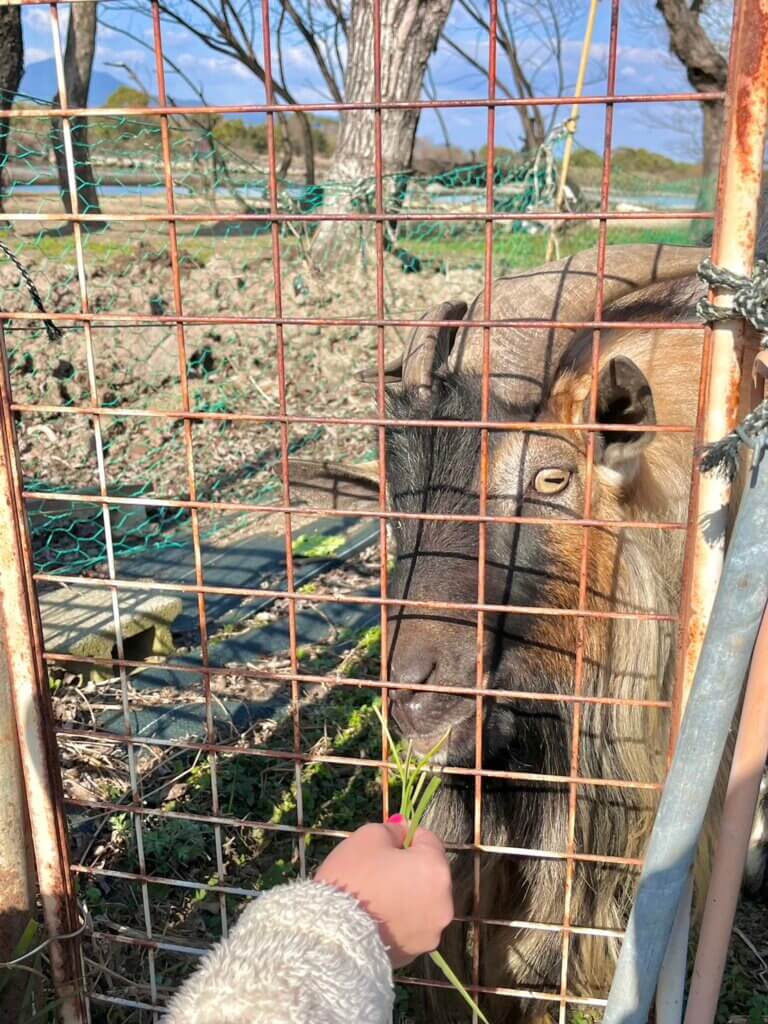 My daughter was a little nervous at first, but once she saw the goats happily munching away, she couldn’t stop offering them snacks. Animal encounters like this are always a highlight for children — and the adults watching them.
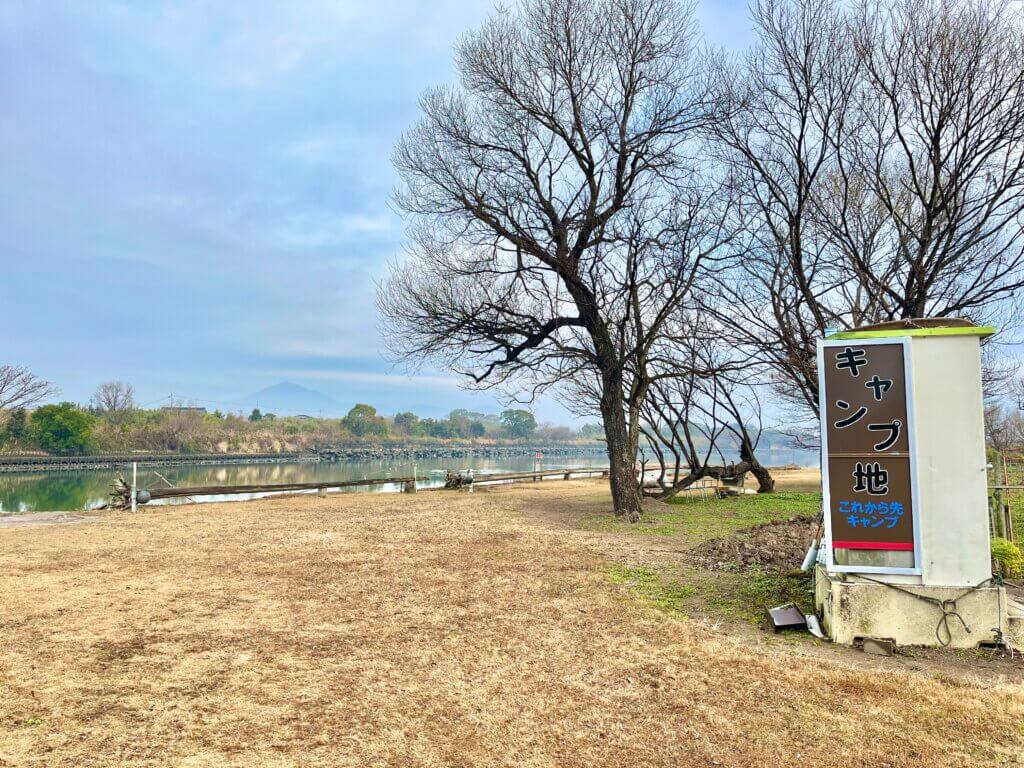 And here’s the headline news: you can camp at this park — completely free. Yes, free riverside camping in Kumamoto. Who knew?
Camping ground rules: Contact the park office 1–2 weeks before your intended date to make a reservation. Direct open fires on the ground are strictly prohibited — always use a fireproof fire sheet or a raised fire pit (takibi-dai, 焚き火台). Follow these rules and the site is yours for the night at no cost.
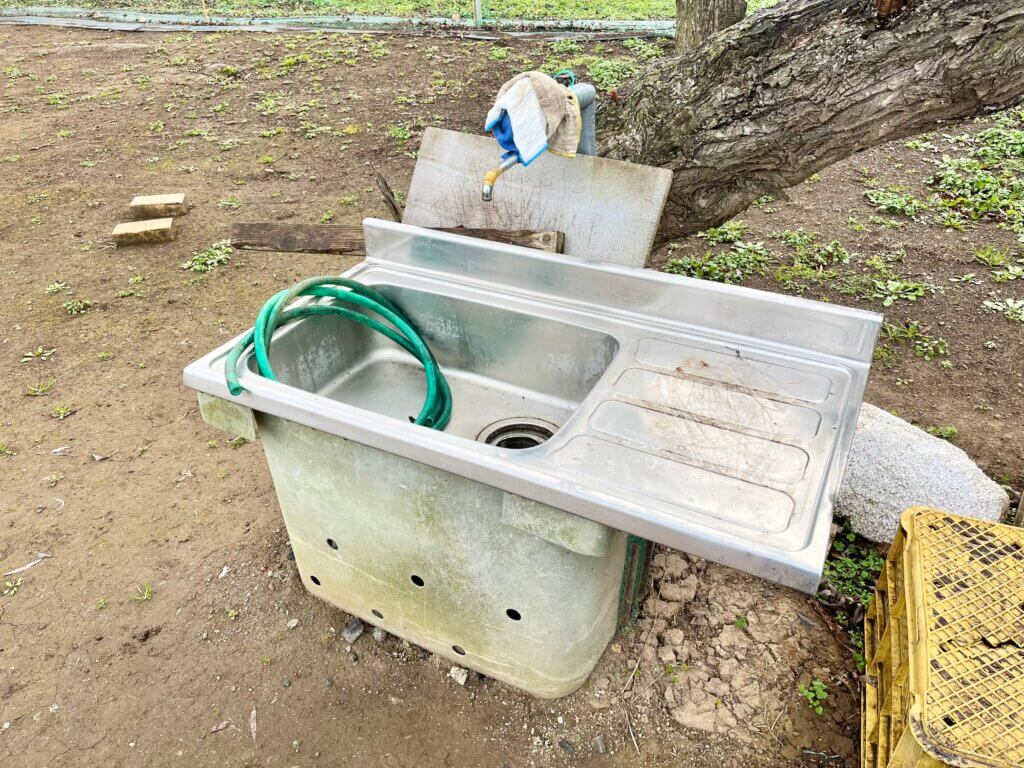 A washing station is available in the camping area for cleaning up after cooking and outdoor activities.
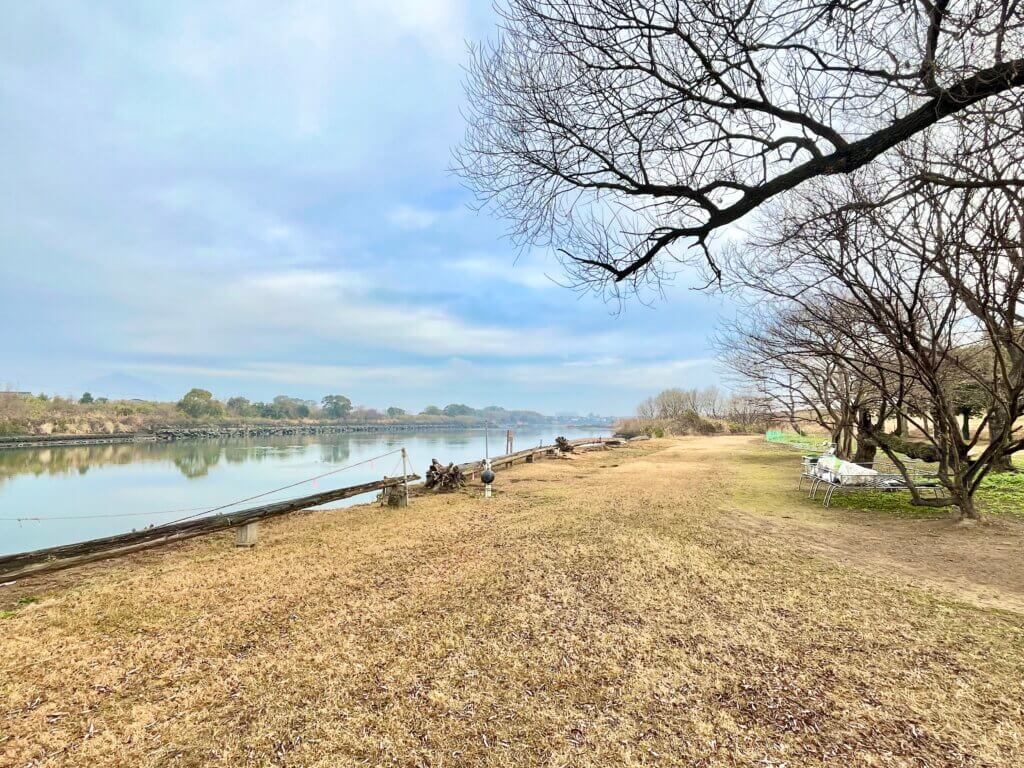 Camping right alongside a river — honestly, it doesn’t get much better than this. I’m already planning my own return trip for warmer weather.
中無田閘門プレイパーク is a place where Kumamoto’s quiet history meets the simple pleasure of being outside. Whether you come for a centuries-old wooden lock gate, the resident goats, or a free night of riverside camping under the stars, this is a spot that stays with you long after you’ve left.
※ All information is accurate at time of reporting. Hours, fees, and details are subject to change. Please verify before your visit.
中無田閘門プレイパーク — Store Information
-
Address
1094 Nakanoda-machi, Minami-ku, Kumamoto City
-
Parking
Available
-
✗
Tatami Room
-
✗
Private Room
-
✗
Kids Tableware
-
✗
Kids Chair
-
✗
Diaper Changing
-
✗
Stroller Access
🗺️ Planning a trip to Kumamoto?
🎟️ Find Things to Do🏨 Find HotelsWe may earn a commission from bookings made through these links, at no extra cost to you.
Article Writer

Sarukuma Editorial
Sarukuma Editorial is a small team of locals based in Kumamoto, Japan, sharing the hidden gems, hometown flavors, and seasonal experiences that make our region special. We write the kind of guide we wish we had when showing friends around — honest, practical, and made by people who actually live here.
Popular Ranking
-
Inside Cafe106, Minami-ku’s Cozy New Hideaway with Kumamoto’s Best Peach Frappe

Food & Restaurants
2026.4.27
1 -
Minamiaso Fureai Zoo Fairy Tale (Takamori, Aso) — A Hidden Gem Where You Can Cuddle Goats, Rabbits, Chicks & More!
Outing Spots
2025.12.13
2 -
Costco Kumamoto Mifune Warehouse: Grand Opening April 1st – A First Look at Kumamoto’s Newest Wholesale Destination (Mifune Town)

Outing Spots
2021.3.11
3 -
Shiroyama Park in Nishi Ward, Kumamoto City — Free Parking, Baby Swings & a Toddler Zone Perfect for Little Ones!
Outing Spots
2026.1.19
4 -
Tsukiji Shijukudai Park: A Family-Friendly Park with a Unique Rotating Chair Playground in Tamana City
Outing Spots
2021.4.30
5 -
Children’s Day in Kumamoto: 7 Family-Friendly Spots for Indoor Play & Hands-On Fun [2026 Edition]
Activities & Tips
2026.4.23
6 -
Imakin Shokudo: Famous Akaushi Beef Bowl at a Beloved Historic Restaurant in Aso, Kumamoto
Food & Restaurants
2020.9.18
7 -
Honda Kumamoto Welcome Park (Ozu Town): A Free Motorcycle Theme Park with Electric Bike Rides and Hands-On Exhibits!

Outing Spots
2026.3.7
8 -
Sarukuma Editors’ Picks! Top 7 Family-Friendly Spots in Kumamoto for 2025 — Where to Take Your Kids Tomorrow!
Activities & Tips
2025.12.27
9 -
Amu Plaza Kumamoto: A Family-Friendly Shopping Destination at Kumamoto Station (Nishi-ku, Kasuga)

Outing Spots
2021.5.14
10
Keywords
You Might Also Like
RECOMMEND
-
Hanazono 5-chome Park: A Spacious, Quiet Park Near Hanazono Children’s Hall in Nishi-ku, Kumamoto
Outing Spots
2024.7.3
-
Mori no Kumasan Bon Gateau: Adorably Cute Cakes in Kikuyo’s Hikari no Mori That Taste as Good as They Look
Food & Restaurants
2020.10.26
-
Coco de Nadir in Kokufu, Chuo Ward, Kumamoto City – A Jewel-Box Cafe Tucked Inside an Apartment
Food & Restaurants
2021.12.9
-
Kuhonji Yakitori Ajiichi: Authentic Charcoal-Grilled Chicken Skewers in Kumamoto City — Don’t Miss the Crispy Fried Chicken Skin & Chicken-Shrimp Skewers!
Food & Restaurants
2021.1.31
Editor's Picks
PICK UP

Check latest info
on Instagram!

Check latest info
on Instagram!
Follow Sarukuma on Instagram for the latest food spots and event info!
- Search